Table Of Content

For example, if you have children or pets, opt for stain-resistant and easy-to-clean surfaces. This arrangement also avoids being dull and unimaginative through the use of colors and patterns, such as those of the couches and ceiling. Once you have chosen or detected the focal point in the room, you’re ready to get into the building out of the rest of the design.
Rule 3: The Rule of Color Harmony
I hope that you’ve found today’s post of interest especially when designing your own homes. There is nothing better than to walk into a room and feel comfortable in your surroundings. If you have any questions or comments, please feel free to head towards the comments box at the top of the page.
What is Lagom? The Swedish lifestyle trend explained - Homes & Gardens
What is Lagom? The Swedish lifestyle trend explained .
Posted: Tue, 28 Feb 2023 08:00:00 GMT [source]
- The Power of Symmetry: Repeating Elements for a Balanced Interior Design
Achieving balance adds a sense of calm, relaxation, and unity to your design. By prioritizing functionality in your interior design, you can create a space that not only looks beautiful but also meets the practical needs of its inhabitants. Remember, a well-balanced interior is one that seamlessly integrates aesthetics with functionality. The rule of functionality emphasizes the importance of designing a space that is not only visually appealing but also practical and functional. A well-designed interior should cater to the needs and activities of its occupants while maintaining a sense of balance and aesthetic expression. Proportion, on the other hand, involves the relationship between different elements in the room.
This Upper West Side Apartment Reflects a Perfect Visual Balance - Interior Design - Interior Design
This Upper West Side Apartment Reflects a Perfect Visual Balance - Interior Design.
Posted: Thu, 21 Apr 2022 07:00:00 GMT [source]
Symmetrical Kitchen Interior Design For Hassle-Free Cooking
By understanding and applying these principles, you can transform any space into a visually stunning and well-balanced environment. The third type of balance is radial balance, which is often found in nature, such as in the petals of a sunflower. In interior design, radial balance involves the arrangement of elements in a circular pattern, emanating from a central point.
'Personally, creating balance in interior design is about following my gut, trial and error, and being patient to see how a room settles into itself over time. It is also important to consider the placement of objects when creating a balanced design. You want to make sure that the heavier objects are placed lower in the space and the lighter objects are placed higher up. I often advise using contrasting textures, colors, and carefully selected furniture pieces as focal points.
Round out your space with radial symmetry
The trick to make this work is adding equal amounts of visual weight on either side of the focal point, despite not using equal amounts of furniture. For instance, if the room has a sofa as a focal point, you may want to avoid two coffee tables on the side and go for a big painting on one end and a bookshelf on the other. Proportions feel clunky, some spaces appear too full and others too empty, and overall things feel uncanny and uncomfortable. While things like colour, style or aesthetic often fall in the valley of the subjective, there is a method to creating a balanced design. Even the perception of weight adds visual contrast, for example with small delicate accents against larger, sturdier pieces.
The entire arrangement is geared toward highlighting the fireplace, and using identical couches on either side of the unit creates a good balance. For example, richly colored, patterned, and textured elements, such as walls or furniture, are generally heavy when considering visual weight. So, you will create the perfect equilibrium by posing these against fewer and equally heavy elements or multiple less-heavy elements. Again, taking into account the focal point, we build on the sides of it, without trying to replicate everything we see on either side.
Copenhagen born, Cathrine Dal, is the founder of London-based interior design studio, Cat Dal Interiors, who have a design ethos rooted in Scandinavian design. Not measuring furniture before purchasing and bringing it into a room is another common mistake I’ve encountered. Be sure to check the dimensions of your room and the furniture you intend to buy, so they fit together harmoniously without overcrowding the area. Are you someone who loves to entertain, or do you prefer a quiet, cozy atmosphere? Knowing your lifestyle preferences will influence decisions on factors like furniture layout, storage solutions, and color schemes. This design is best applied in dining rooms, hotels, or offices because it requires a lot of space to start designing from the center.
When done right, asymmetrical designs can make your interior feel dynamic, engaging, and visually appealing. In this blog post, we will explore the fascinating world of asymmetrical balance in interior design and discuss how you can use this concept to transform your home. Asymmetrical balance works best in living rooms because it adds visual interest while keeping the room balanced. Interior designers usually use two chairs in front of a sofa or a group of pictures hung at different heights to create a living room with asymmetrical balance. By carefully considering the visual weight of objects, you can create a balanced composition within a space. Remember, balance does not mean everything has to be perfectly symmetrical or equal in weight.
Create spaces that are balanced, inviting, and a true reflection of your unique style and personality. The rule of focal point is all about creating a central point of interest in a room that draws attention and anchors the design. A well-executed focal point adds depth, drama, and visual hierarchy to the space, contributing to a balanced and cohesive interior. When applying the rule of color harmony, it’s important to consider the overall mood and desired atmosphere of the space. For example, if you want to create a calming bedroom, opting for a monochromatic color scheme in shades of blue or green can achieve a serene ambiance. Learn how to create balance in your interior design with these 7 essential rules.
Other ways to create unity include using similar patterns and textures, repetition of elements and spacing of design objects. This handy tool will help you to harmonize the colors used in all of your interior design projects. And as a result you may end up buying a lot of furniture and decor elements under social media influence to make your home’s interiors more ‘Instagrammable’. Form is shape, and that includes the shape of the room itself along with the objects within it like furniture, artwork and decorative accessories.
For example, you might combine a sleek glass coffee table with a plush velvet sofa or pair a rustic wooden dining table with modern metal chairs. The contrasting textures and materials will work together to create a perfectly balanced, asymmetrical design. Shapes and forms play a significant role in creating asymmetrical balance in interior design.
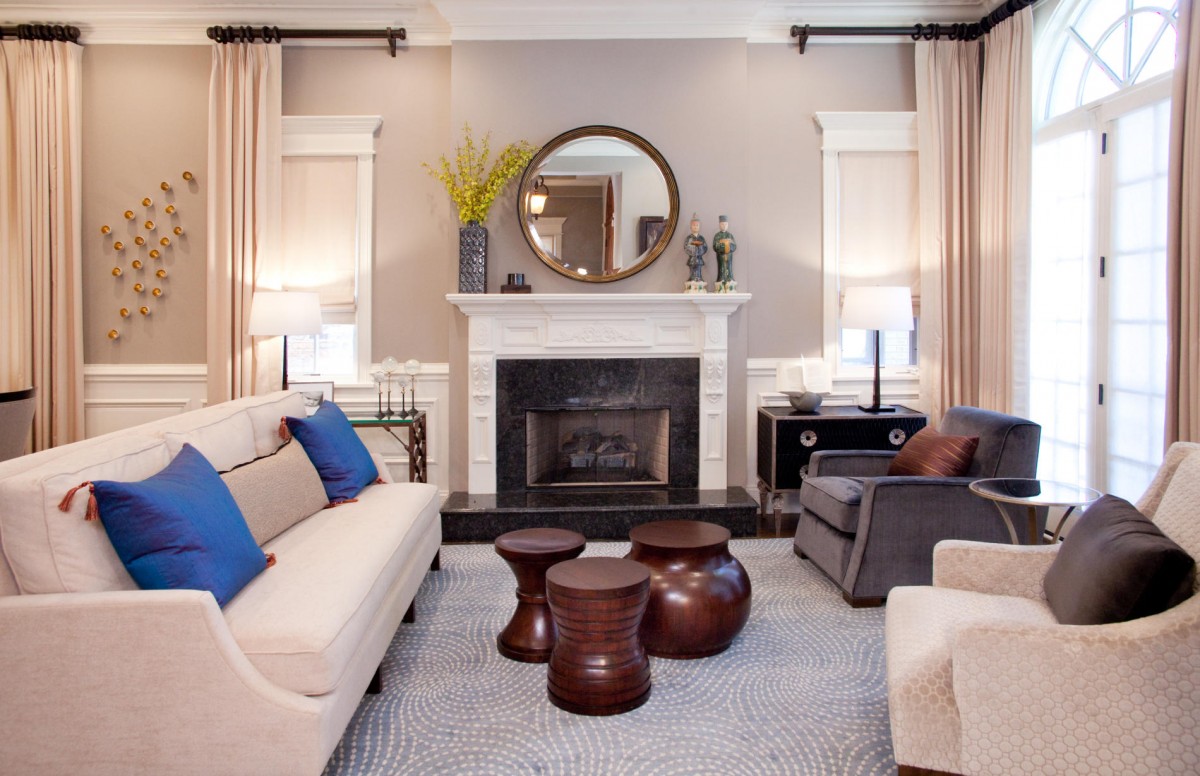
Symmetry is all about creating a visual balance and a rhythm within the present layout of your space to bring continuity without making the space look monotonous or boring. But to create that balance without losing the functionality of your home’s interior design can be a challenge. Balance is a fundamental principle in interior design that ensures a room feels harmoniously arranged and visually pleasing. It is achieved when the elements of a room, such as furniture, color, and texture, are distributed in a way that creates a sense of equilibrium. Balance can make a room feel more comfortable, inviting, and stable, enhancing the overall aesthetic and functionality of the space. Although classic examples are less popular in modern interior design, symmetry is no doubt the building block of balance.




No comments:
Post a Comment