Table Of Content
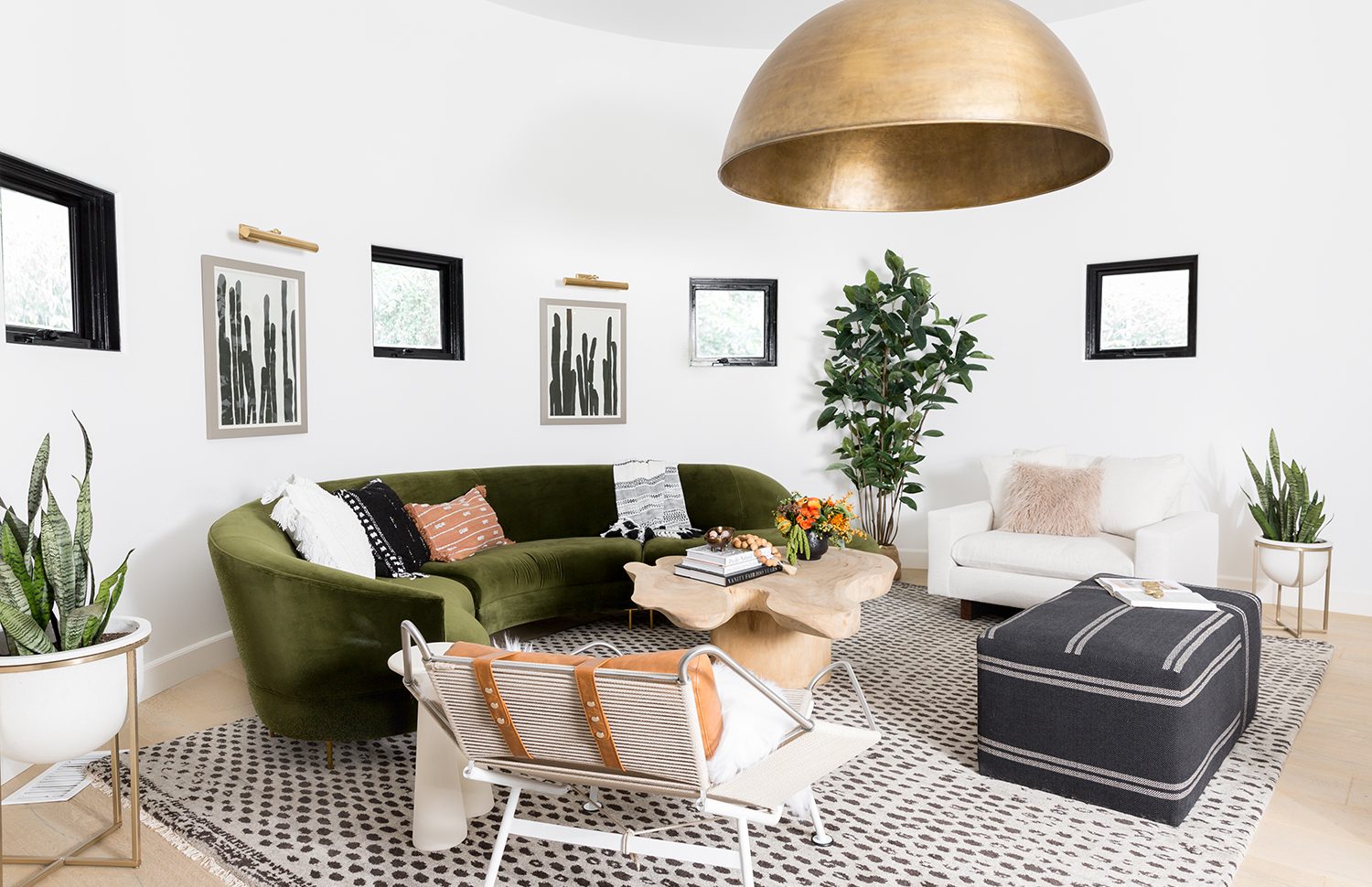
One way to create balance and make a room feel more spacious is by using round tables and circular seating arrangements. A round dining table, for instance, can be the perfect centerpiece for a dining room, while a circular outdoor seating area can create a cozy and intimate space for entertaining. Circular furniture can help break up the monotony and make the space feel more inviting if you have an awkward room layout or limited space. Although radial balance is less common in traditional homes due to the challenges of incorporating round rooms, its unique presence in interior design can produce stunning results. In this article, we will explore 10 different ways to embrace radial balance in your home, transforming your living space into a sanctuary of beauty and tranquility. Interior design is about creating spaces that are not only functional but also aesthetically pleasing and comfortable.
Texture
Color and texture are essential components for achieving balance in interior design. I often use a mix of complementary and contrasting colors, as well as different textures, to create visual interest and harmony. By incorporating some of these strategies, it is possible to utilize furniture and accessories effectively to create a well-balanced interior design. With their intricate designs and radial balance, Mandalas can be a beautiful addition to your home’s interior design.
What is asymmetrical balance in interior design?
This type of balance creates a soothing, harmonious feeling, and I’ve observed that it’s often used in feng shui practices, as it is believed to bring positive energy to a space. Examples of radial balance in interior design include circular tables surrounded by evenly spaced chairs, or a centrally positioned light fixture with surrounding decorative elements that radiate outward. Visual weight refers to the perceived heaviness or lightness of design elements within a space. By carefully considering the visual weight of each element, interior designers can create a balanced and harmonious environment that feels both inviting and visually interesting.

- Circular Lighting Fixtures: Illuminating Your Space with Radial Balance
For example, you can use different elements of the same colour in a room to create harmony. This type of balance is great for creating an area that is sociable and intimate so perfect for dining and seating areas within your homes. Creating balance isn't something that necessarily can happen instantly – especially if you have just moved somewhere new. It can take time to work out what a room needs in order for it to feel more harmonious – as after all, we all have different homes and styles, and balance can be just as much a feeling as it is a look. Featuring a calming, organic design, crafted from white-washed Acacia wood, this round dining table's graphic silhouette establishes an almost ethereal look. In the realm of modern interior design, property owners are always on the lookout for creative methods to enhance their ...
Avoid creating 'dead spaces'
Two Taiwanese Residences by Degree Design Balance Elegance and Comfort - Interior Design - Interior Design
Two Taiwanese Residences by Degree Design Balance Elegance and Comfort - Interior Design.
Posted: Wed, 20 May 2020 07:00:00 GMT [source]
The best thing about symmetrical balance in a bedroom is that it creates a sense of equality, which is a good characteristic for a primary or shared bedroom. To create the perfect balance, you can use elements, including pillows, walls, nightstands, lamps, and chairs. Radial balance can also be applied to outdoor spaces, such as patios and gardens.
Hire Me as Your Designer or Shop My Top 3 Amazon Picks!
Don’t forget to incorporate radial balance into your outdoor living spaces, as it can create a sense of unity between your indoor and outdoor environments. Arrange circular seating areas, use round planters, or incorporate circular stepping stones to guide guests through your garden. Consider hanging gardens or incorporating pet-friendly indoor trees into your outdoor design for a touch of greenery. Incorporating radial balance into your backyard and patio design allows you to create a visually appealing and inviting outdoor space for relaxation and entertainment. If you have an awkward room or limited space, consider using furniture arrangement and layout strategies that maximize available space while maintaining asymmetrical balance. This might involve using mirrors to visually expand the room, selecting appropriately sized rugs, or creatively arranging furniture to optimize functionality and flow.
Bringing symmetrical balance requires precision, an eye for detailing, and years of experience to strike the correct balance between aesthetic beauty and functionality. Book a free consultation with our expert designers today, and they will help you with personalised designs that suit your budget and lifestyle. So call us now, and let’s design the perfect home that resonates with the harmony of symmetrical beauty in every corner and make your dream home a reality. Creating symmetry in the living room can be done by placing a statement decor piece like a mirror, wall art, or frame right in the centre. For small living rooms, you can bring symmetry to the interiors with wall panelling, artefacts and a slight change in placement of furniture.
Round out your space with radial symmetry
So, whether you’re designing a living room, a bedroom, a kitchen, or any other space, keep these seven rules in mind. Consider the symmetry, scale and proportion, color harmony, texture variation, visual weight, functionality, and focal point. Embrace the principles, experiment with different elements, and trust your instincts. With a focus on balance, you can create a space that not only looks beautiful but also feels harmonious and truly reflects your personal style. Achieving balance in interior design through spatial distribution is an essential aspect of creating a comfortable and visually appealing environment.
Project Interiors' Chicago Studio Fosters a Healthy Balance Between Work and Play - Interior Design - Interior Design
Project Interiors' Chicago Studio Fosters a Healthy Balance Between Work and Play - Interior Design.
Posted: Wed, 20 Mar 2019 07:00:00 GMT [source]

When incorporating patterns, I stick to a cohesive theme and try to limit their use to specific areas, such as accent pillows or an area rug. Asymmetrical balance is your best design if you do not want to worry about mathematical proportions when balancing elements. So, you can think of the design as a form of organized chaos, making it harder to achieve balance than the symmetrical design. One of the easiest ways to create balance is by arranging elements symmetrically. In addition, your Havenly designer will be able to provide tips on how to create a space that is both comfortable for your dog and inviting for guests. With Havenly, creating a beautiful and functional home that your dog will love is easy and stress-free.
For example, you can place two different armchairs with similar shapes and colors on either side of a coffee table. Here is where asymmetrical comes in to play as it provides a more dynamic, informal look. From your color scheme to where you position your furniture, there are many factors to consider when creating an element of balance in a room.
Ultimately, the goal of achieving balance in interior design is to create a space that feels inviting, comfortable, and aesthetically pleasing. When done right, a well-balanced interior can have a positive impact on your well-being, elevate your mood, and enhance the overall living experience. When creating balance in interior design, consider the visual weight of furniture and decor.
Such a home is not only pleasant to the eyes but becomes a positive space to live and work in. So before we get into the details of symmetrical balance in interior design, let’s understand symmetry in the real sense of the term. The next step in achieving balance is to contrast different furniture styles. While some furniture pieces are incredibly bulky and heavy, others are a lot lighter and more delicate. Texture variation is an often overlooked but essential rule in creating a balanced and visually interesting interior design.
It could be because all of the furniture is on one side of the room and not placed correctly. It could be because there is a piece of art that is too small for a wall or the color palette of the room doesn’t make sense. Atlanta-based interior designer Bradley Odom grew up in Mississippi and studied at the prestigious, Savannah College of Art and Design.
Symmetry in this living space is utilised by the placement of furniture reinforcing the focal point to the room. Focal points are an important aspect of a room, as they provide us with not only visual interest but a sense of order. Have you ever entered a room for the first time, and automatically felt at ease, and comfortable in your surroundings? If you have, it may well be that the space has used a key ingredient – BALANCE. Of course, there will be other elements at play, but getting the balance right within any room is important to how it will make you feel when you are in it. Patrick O’Donnell is Farrow & Ball's Color Consultant & Brand Ambassador and has been with the brand since 2021.
It is the space where you enjoy a good night’s sleep after a long day of work or laze around on grumpy weekends. While it is easier to bring symmetry to the living room because of the seating arrangement and entertainment unit, here are easy tips for a symmetrical bedroom interior design. That’s probably the first thing you think about when you’re getting started with a home interior design project. Horizontal lines, such as those of tables, bring a sense of stability to an interior. The vertical lines of the room come from features like windows and doors or maybe a tall fireplace.
The above bedroom space is balanced by the use of the objects such as the artwork on the wall and vases to the left of this asymmetrically designed bed. The dark colour of the focal wall is balanced out by the lightness of the window. Balance in interior design is a crucial aspect of creating harmonious, functional, and aesthetically pleasing spaces. It is achieved through the thoughtful distribution of visual weight within a room, ultimately contributing to a sense of stability and cohesion. By incorporating balance as a guiding principle, designers and homeowners alike can curate spaces that are both inviting and visually engaging.




No comments:
Post a Comment